
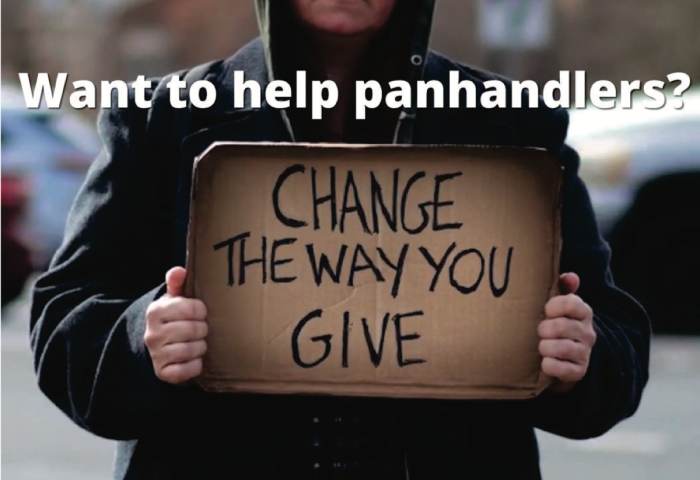
The proposed Panhandling Response Initiative offered a compassionate, practical solution to a complex problem in our community. Developed by a diverse group of county stakeholders—spanning members of the County’s community safety, law enforcement, social services, and communications agencies—it focused on connecting people with resources to address the root causes of panhandling, including mental health struggles, substance misuse, and the rising costs of living, along with encouraging charity-minded residents to give to service organizations rather than individuals who are panhandling. Unfortunately, a lack of consensus on certain elements led the Board to defer action to a date uncertain. From where I sit, this was a missed opportunity to make meaningful change in our community now.
This issue is personal to me. My own mother, during her struggles with homelessness and mental illness, turned to panhandling as a means of survival. While I will always appreciate those who treated her with kindness during that difficult time, I know that connecting her to proper mental health services would have had a far more profound and lasting impact. Perhaps she’d still be here today. This initiative could help others who find themselves in similar circumstances.
Central to the initiative is a campaign encouraging our residents to direct donations to programs that offer a hand-up rather than giving directly to those panhandling. This would strengthen the County’s ability to deliver services to our most vulnerable residents and make it less lucrative to panhandle. As I said during the Board meeting, every day that we delay a proactive attempt to limit the “supply” side of panhandling, the more we exacerbate existing challenges. While I understand reservations about specific plan elements, such as the work program, we can begin making a difference now by directing staff to bring the pilot program’s public communications and social service outreach components back to the Board for approval.
Of course, enforcement has its place in addressing panhandling, but it cannot be the centerpiece of our approach. Conversations with our police officers and business owners have convinced me that targeting medians won’t be effective—it will only strain traffic safety resources (none of the 53 pedestrian-involved crashes of the last year involved panhandling) and shift undesirable activity to other areas, such as shopping centers, where panhandling tends to be more aggressive than in medians. Unlike panhandling, intimidating behaviors are not constitutionally protected and are already illegal. My Board colleagues and I can equip officers to respond more robustly to these calls and lobby the state for expanded authority to stop repeat offenders.
Importantly, we must better supplement our police officers’ heroic efforts with resources designed to treat the causes of these complex social issues rather than the symptoms. This looks like providing vulnerable residents with increased access to mental health care, substance treatment, and supportive housing, as well as giving law enforcement the tools needed to disrupt the distribution of drugs that keep people trapped in cycles of homelessness and justice involvement.
This is not quick work, and it will not be fixed in one Board meeting or with one initiative. However, elements of the Panhandling Response Initiative could enable us to begin making tangible, lasting progress. We should do what we can, as we can, even as we prepare for what comes next.
For those looking for more information on how the county is addressing panhandling, please visit pwcva.gov/panhandling.