
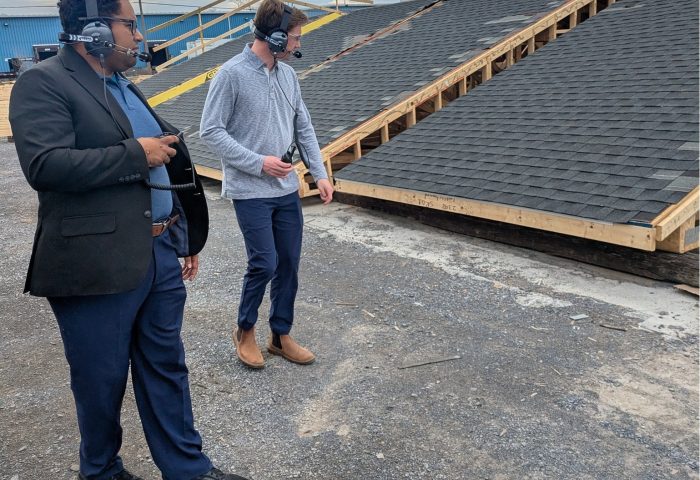
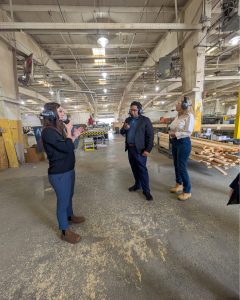
I spent time mid-March touring Van Metre Companies’ manufacturing facility with their team and County staff — and it left me even more convinced that we need to modernize our rules to match what housing looks like in 2026.
A lot of folks hear “manufactured” or “modular” and picture something outdated. That’s not what this is.
What we saw was a real blend of technology and skilled human craft — building components in a controlled environment where you can cut waste, reduce delays, improve quality, and move faster once a home is ready to be placed on site.
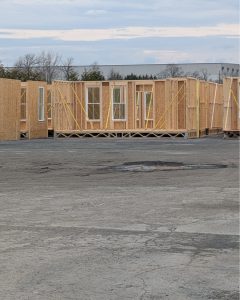
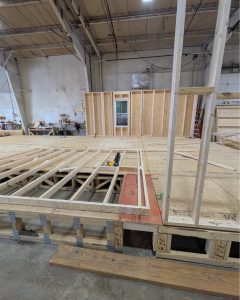
Why this matters for Prince William County:
- Affordability: time and uncertainty add cost. Reducing both can help keep prices from ballooning.
- Less disruption: less time tearing up a neighborhood for months on end.
- Smaller footprint options: more flexibility for smaller lots, attainable starter homes, and ADUs (accessory dwelling units) where appropriate.
- Sustainability: less material waste and more efficient construction.
My office is continuing to look at how our zoning ordinance and policies can allow modular/manufactured homes in a way that protects neighborhood character and sets clear standards — so builders have another tool to meet the housing needs we keep hearing about: “I want to stay,” “I want my kids to have a shot,” and “I don’t want every new home to be out of reach.”