
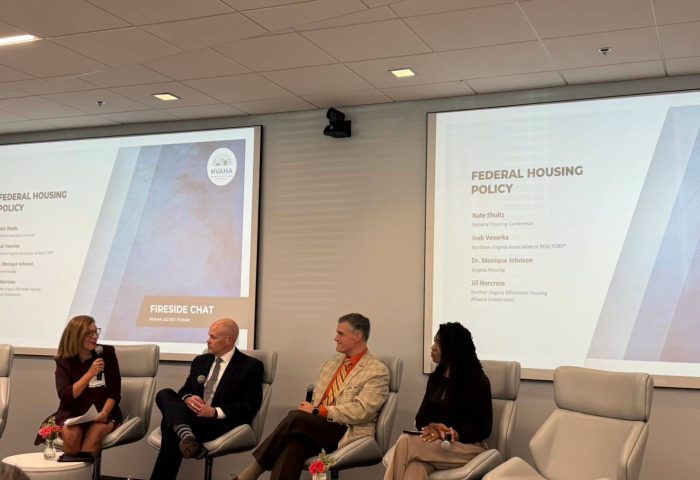
Recently, I joined housing professionals, advocates, public officials, developers, and community partners at the Northern Virginia Affordable Housing Alliance’s annual Leckey Forum & Regional Housing Leaders Awards.
The forum covered several important issues affecting housing across Northern Virginia, but one conversation especially stuck with me.
We spend a lot of time talking about whether housing is “affordable.” But affordable to whom?
One of the discussions focused specifically on the gap between rents designed to be affordable to households earning around 60% of Area Median Income, a common benchmark in affordable housing programs, and the reality facing families earning substantially less.
That distinction matters.
A home can be legally or programmatically classified as affordable and still leave a family stretched thin once rent is combined with childcare, transportation, food, healthcare, utilities, and everything else it takes to live in Northern Virginia.
So increasing the number of income-restricted homes matters, but we also have to ask a second question:
How deeply affordable are they?
In Prince William, we have started building more tools into our housing policy. The County adopted its first Affordable Dwelling Unit ordinance last year, including incentives for units serving households at both 80% and 50% of AMI, and created an Affordable Housing Fund to help close financing gaps for affordable housing projects.
But the conversation reinforced for me that the work cannot stop at simply counting units.
We also need to think about whether our housing investments are reaching:
* workers earning well below the regional median
* seniors on fixed incomes
* families balancing rent with childcare
* people transitioning out of homelessness
* residents wh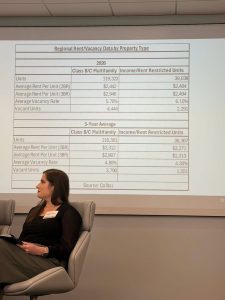 ose income simply does not line up with what much of our region considers “affordable”
That means being willing to use different tools for different income levels, and recognizing that the deeper the affordability, the more difficult the financing often becomes.
It also means keeping people at the center of the conversation.
Housing policy can quickly become a discussion about AMI percentages, tax credits, density, subsidies, and financing structures. Those things matter.
But behind every percentage is a household trying to make the monthly math work.
That was one of my biggest takeaways from today.
Thanks to NVAHA for continuing to bring together people from across the region to have these conversations, and congratulations to this year’s Regional Housing Leader Award recipients. NVAHA recognized the Virginia Housing Alliance, Commonwealth Housing Coalition, Josh Childs, and Capital One for their respective contributions to housing policy, leadership, and community investment.